What is daily life like in Finland?
A Finnish weekday can mean an early lunch, often around 11, paid coffee breaks, a free lunch at school and a sauna at home or a booked turn in a shared one. Cities go quiet at Midsummer and much of the country is on holiday in July; in the far north, winter brings almost two months without sun.
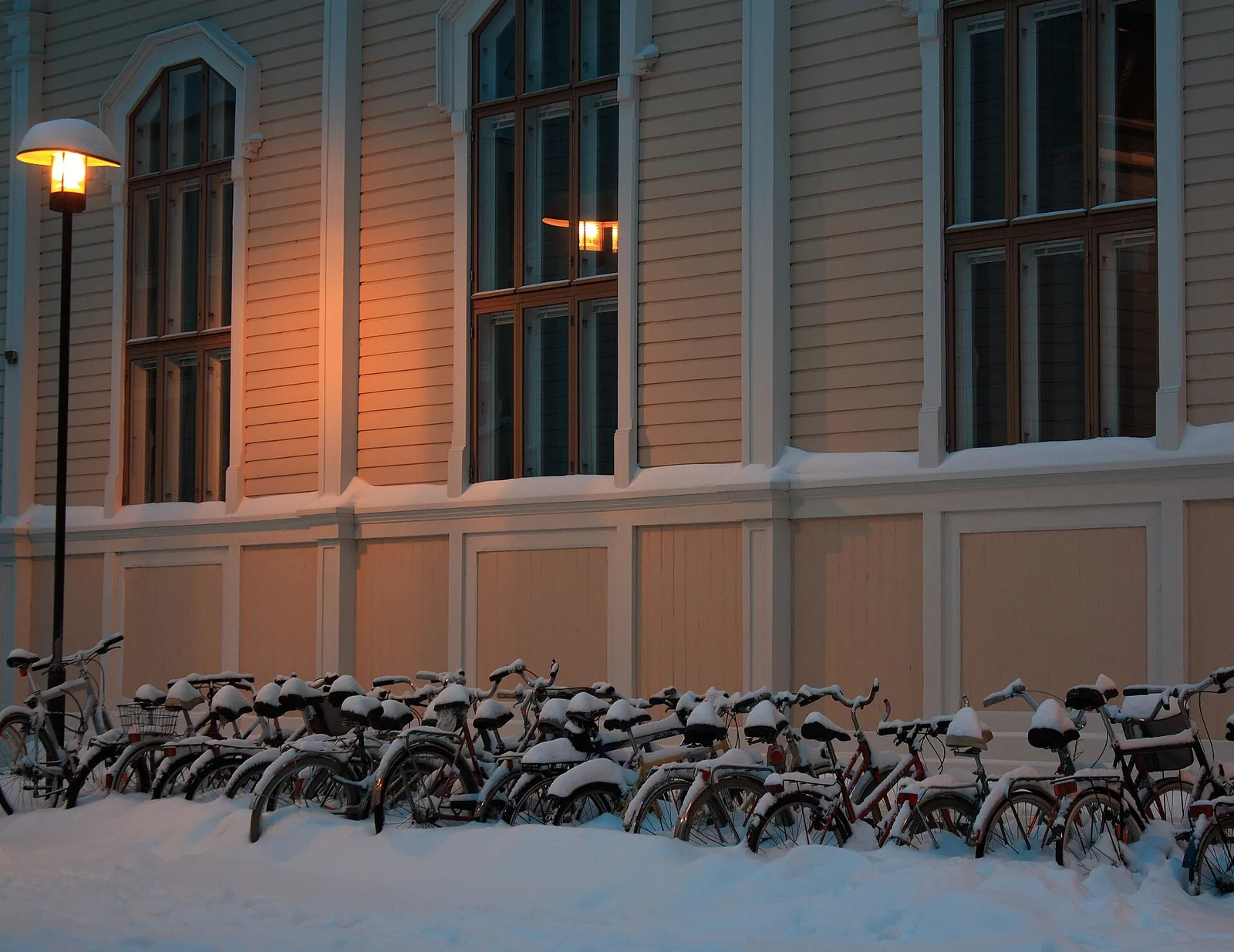
A Finnish working day averages 7 hours 45 minutes, including a 30-minute lunch break, and lunch is commonly eaten between 11:00 and 14:00. Children get a free lunch at school every day. In 2018 over half of homes had their own sauna, while some flat dwellers book a turn in a shared one. July is when most people take their summer holiday, some of them at one of the country's nearly half a million cottages. How the year feels depends a lot on where you live: in the far north, winter brings weeks without sunrise.
The working day
Under the Working Hours Act, regular working time is at most 8 hours a day and 40 hours a week, though collective agreements can arrange it differently.
InfoFinland, the public information service, says a working day usually includes a lunch break and a coffee break or two. Anyone working a shift of at least six hours is entitled to a lunch break of at least 30 minutes, usually unpaid.
Coffee breaks are set by collective agreements. The service union PAM explains that they usually last 10 to 15 minutes and count as working time, and that a shift of four hours or more usually has one.
What goes into the cup is mostly light roast. Yle reported in 2024 that people in Finland drink an average of 9 to 10 kilos of light roast coffee per person a year; a 2015 ThisisFINLAND article had put it at 12 kilograms.
Start and finish times differ by job. One student blog at Tampere University of Applied Sciences (TAMK) describes an office day that usually starts at eight and ends at four, with lunch around 11 or 12: one common pattern, not a rule.
An early lunch
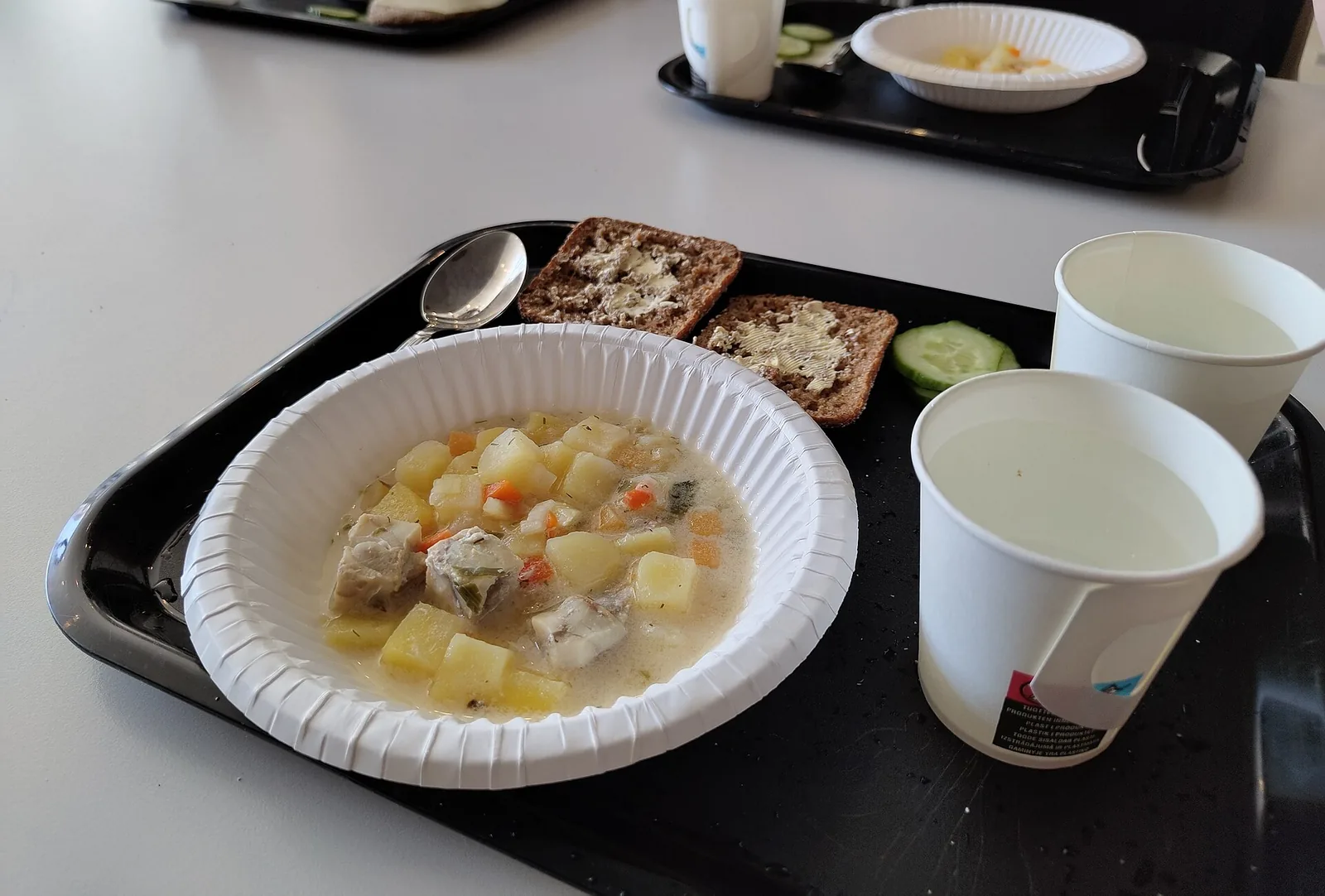
To a visitor, lunch at 11 can look early. Many employers help pay for it. Workers can use a lunch voucher, a card from their employer or a mobile app, and in 2026 the employer-provided coverage is capped at €14.00 per meal, delivery included. According to Yle, the cost of the lunch benefit is split so that the employer pays 25 percent and the employee 75 percent.
Children eat at school, and it costs their families nothing. All pupils are offered free school meals every day. Finland has run a national school meal programme since the 1940s, and nearly 850,000 pupils and students are entitled to a school lunch.
A child's day
The youngest pupils have short days. In grades 1 and 2, a school day has at most five lessons, and a lesson is typically 45 minutes followed by a 15-minute break. For these first two grades, morning and afternoon activities are often offered around the lessons. The school year runs from mid-August to the last working day of week 22, in early June.
Before school, children have a legal right to full-time early childhood education and care. Fees for a full day range from €0 to €311 a month, depending on family size and income. As a main rule, a child's day there should not exceed 10 hours. Families who look after a child at home can receive a home care allowance until the youngest child turns three.
Public libraries are well used. A 2018 ThisisFINLAND article put library use at 16 borrowed items per resident a year, and Helsinki's libraries saw 9.2 million visitors in 2024.
Home, and the sauna in it or downstairs
Many people live in flats, and many live alone. At the end of 2023, 48% of household-dwelling units lived in blocks of flats, and 47% of all household-dwelling units were one person living alone.
A sauna is rarely far away. UNESCO, which lists Finnish sauna culture as intangible heritage, counts 3.3 million saunas in a country of 5.5 million people, and notes that the traditional public saunas in cities almost disappeared after the 1950s.
Whether the sauna is inside your own home is another question. In the latest figure in Statistics Finland's table, 54.9% of dwellings had their own sauna in 2018, up from 29.8% in 1980.
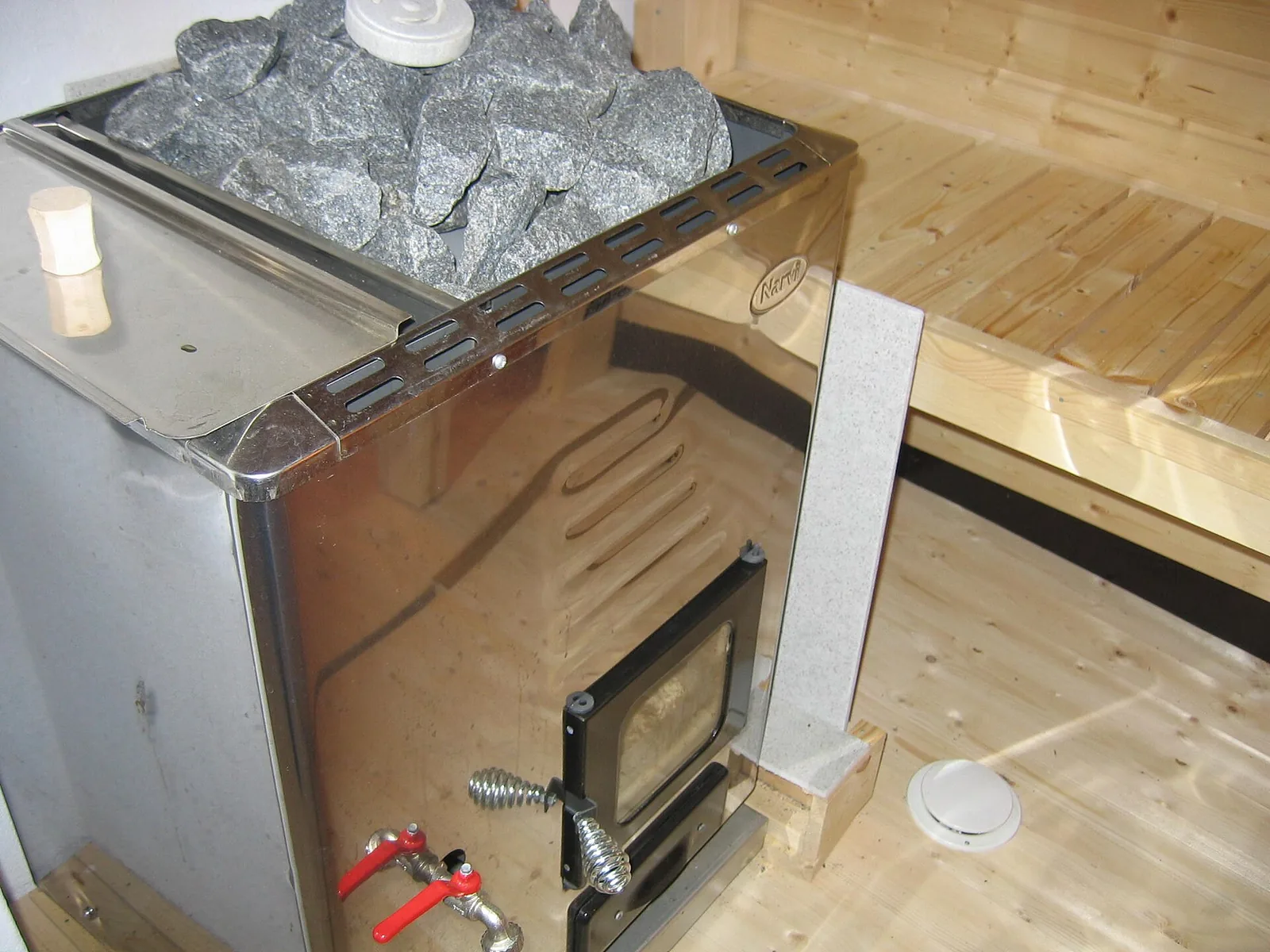
In rental buildings like SATO's, residents without their own sauna book a time in the building's shared one. The rental company SATO asks tenants to let the person before and after them fully enjoy their reserved sauna time, and in some of its buildings a communal Christmas sauna is heated. About a third of SATO's rental homes have their own sauna; Yle reported in 2015 that until 2009 the company built a sauna into about 85% of its new flats, and about 45% by 2015.
Summer: July, the cottage and Midsummer
Summer reshapes the calendar. The holiday season runs from 2 May to 30 September, and most people take some of their annual holiday in July. Schools close in early June and stay closed until mid-August.
In the days before the Midsummer public holiday, Yle writes, Finnish cities become eerily quiet, and most villages and towns still hold some kind of celebration, usually with a big bonfire.
Then there is the summer cottage, the mökki. At the end of 2024 there were 495,145 free-time residences, below half a million; Kuopio had the most, 10,355.
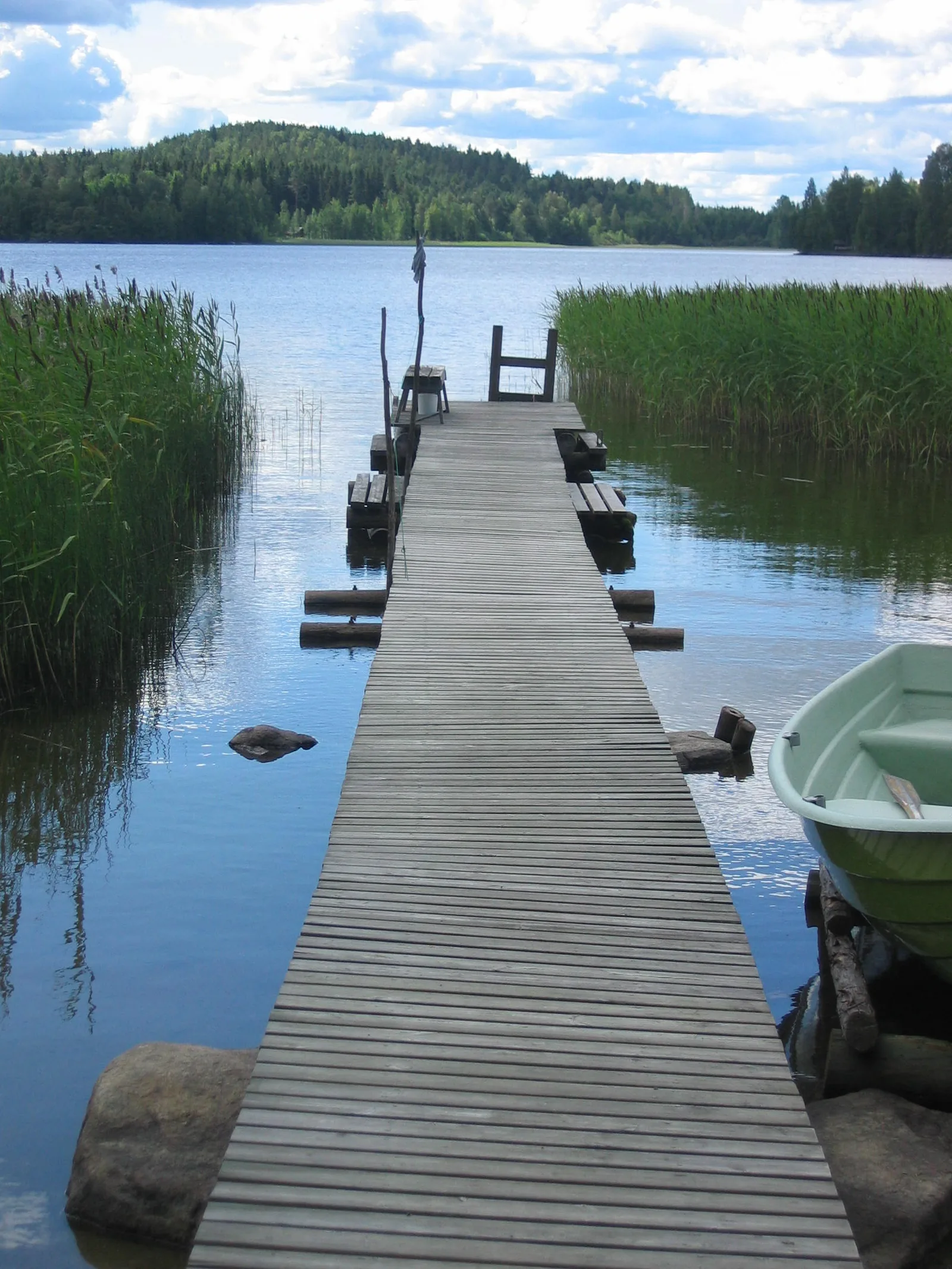
According to Yle, cottage owners spent an average of 85 days at their holiday homes in 2024, down from over 100 in 2020, and 55% of owners are retired. Older owners, fewer days there: whether the cottage summer is fading is still an open question.
Winter: dark, cold, and out the door anyway
How dark winter gets depends on how far north you live. In Utsjoki, on the northern border, the polar night lasts almost two months, though it is rarely pitch black. The south has no polar night, but the days are still short. In summer the same village gets the opposite: the midnight sun shines from 16 May to 27 July.
The day goes ahead in the dark. ThisisFINLAND writes that people get to work or school in the morning no matter how cold it is or how much snow has fallen. Pedestrians are required to wear a reflector when it is dark, though nobody is punished for forgetting.
In Oulu, where the cover photo was taken, cycling carries on through winter: in 2021, Euronews reported that around one in five trips in Oulu were made by bike, falling to 12% in winter, and that the city ploughs its cycle paths before its roads.
What does an ordinary weekday look like at your home?
This is a first sketch, built from laws, statistics and Finnish public sources. It cannot show how a day in Utsjoki differs from one in Helsinki, how a shift worker's week differs from an office worker's, or how your family actually spends its July.
If you live in Finland, or grew up there: what did this miss? What time do you eat lunch, and what is on the plate? Do you have your own sauna, or a booked turn in the building's? Is there still a cottage in your family, and who goes? Corrections and additions are welcome, and good ones will be added to this page, with your permission and credit.
What does an ordinary weekday look like at your home?
On peeka you pick a question and answer it with a photo. See how people around the world answer, and add yours.

Can't wait? Join the iPhone beta on TestFlight.